

Kapaq Ñan /
The Sacred path of the Puna
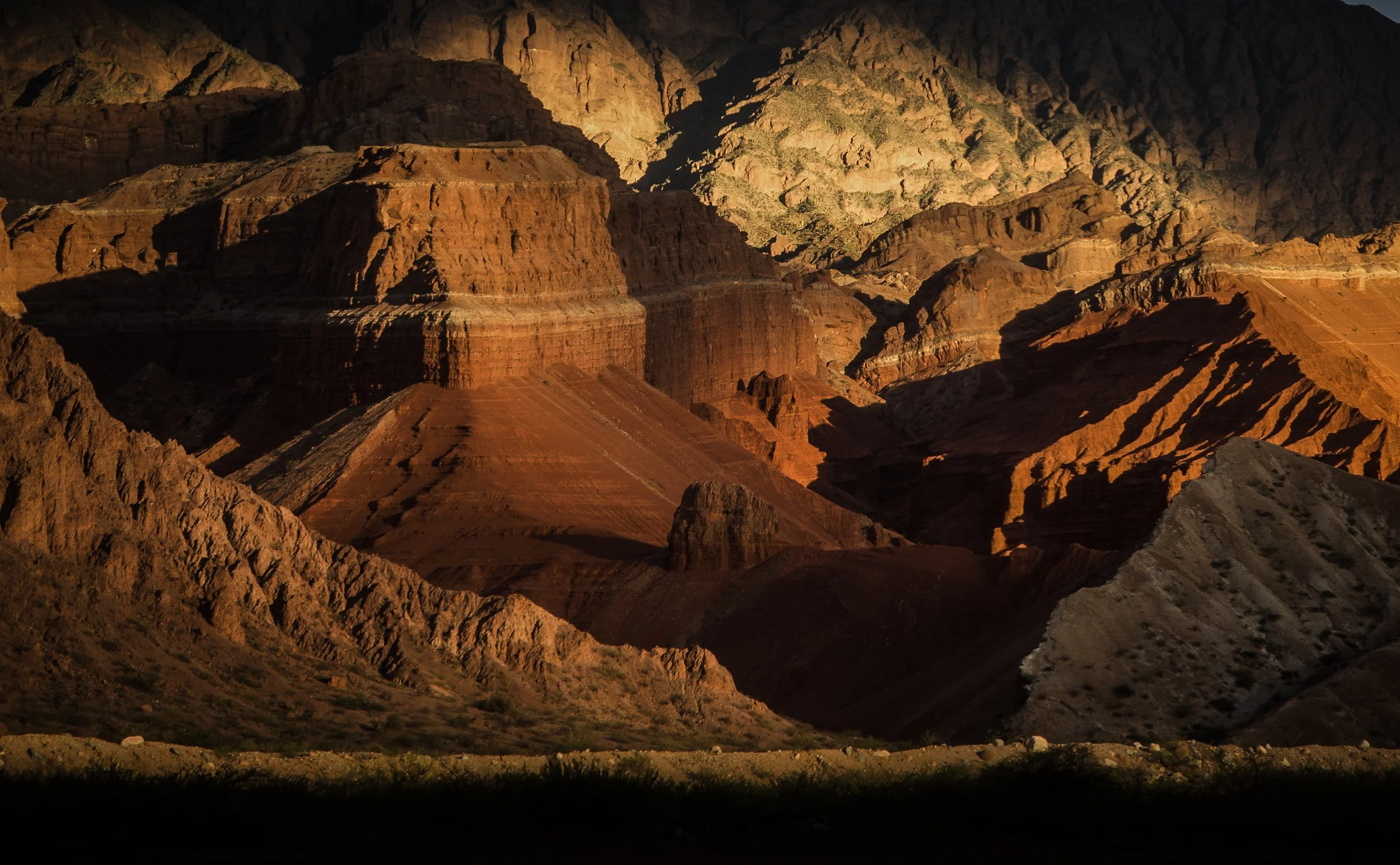
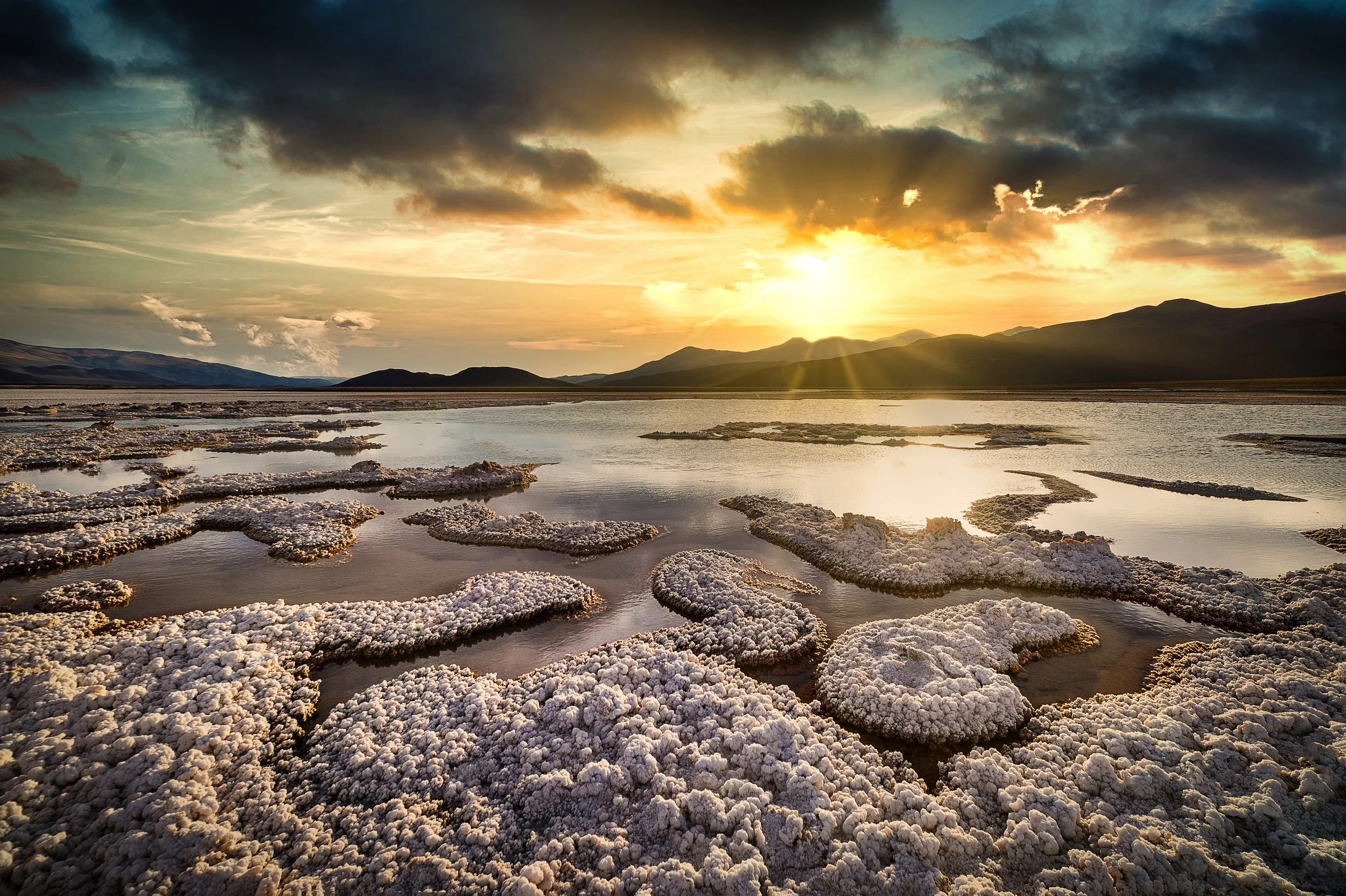
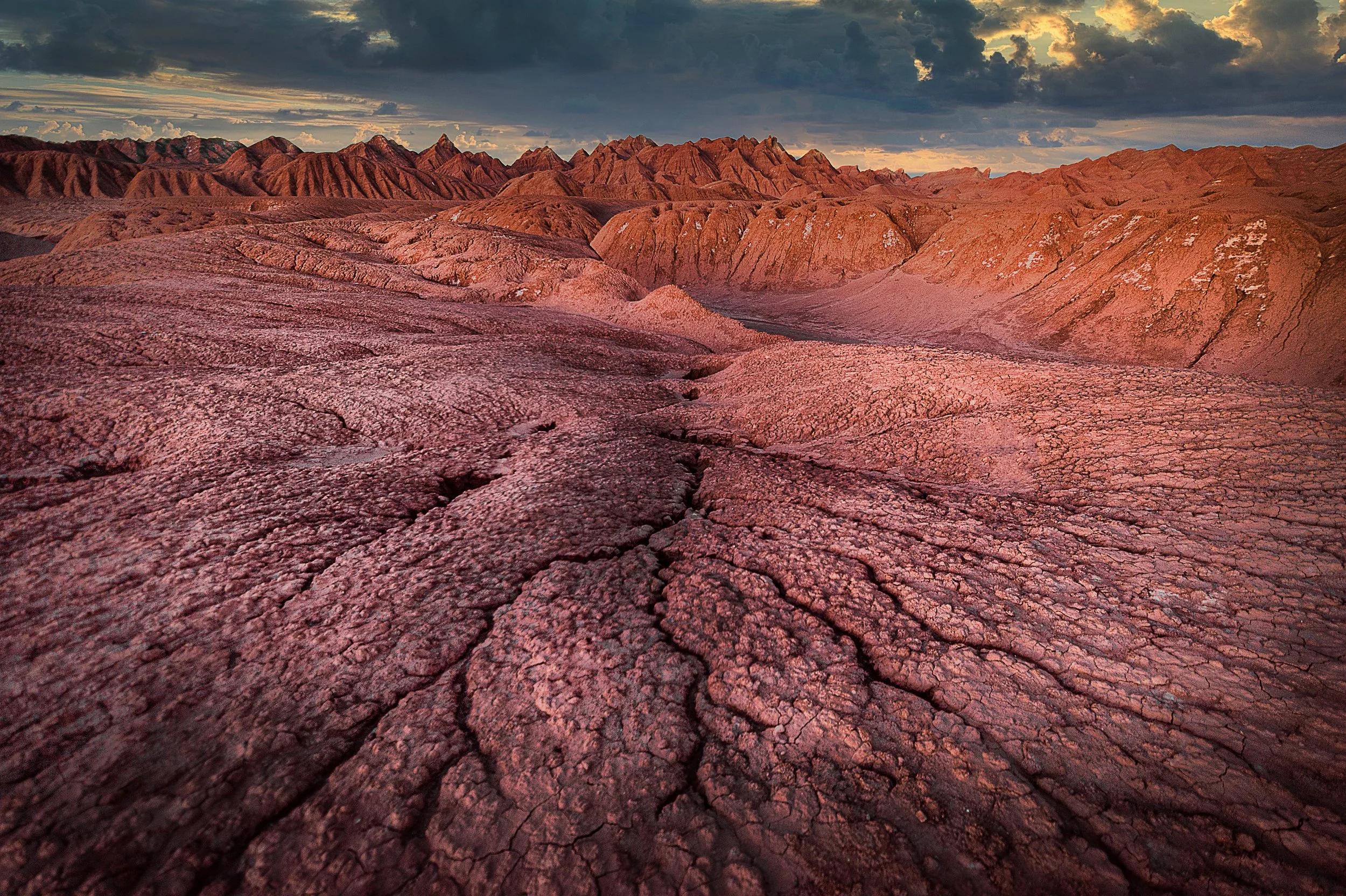
In the high plateau of Puna, across Salta Province and Catamarca Province, the landscape opens into a sense of the infinite — vast, silent, and shaped by light. Colours emerge where none are expected, in terrains that seem almost beyond the planet itself. Wind traces salt and stone, while life endures with quiet resilience, held within a rhythm that feels both distant and deeply present.
ph: Sebastian Del Val - Socompa - Cordillera de Sal
50.2S_72.1W _
Preferred Season_ From September to March
Flight from Buenos Aires_ 2.10 hr
Airport: Salta
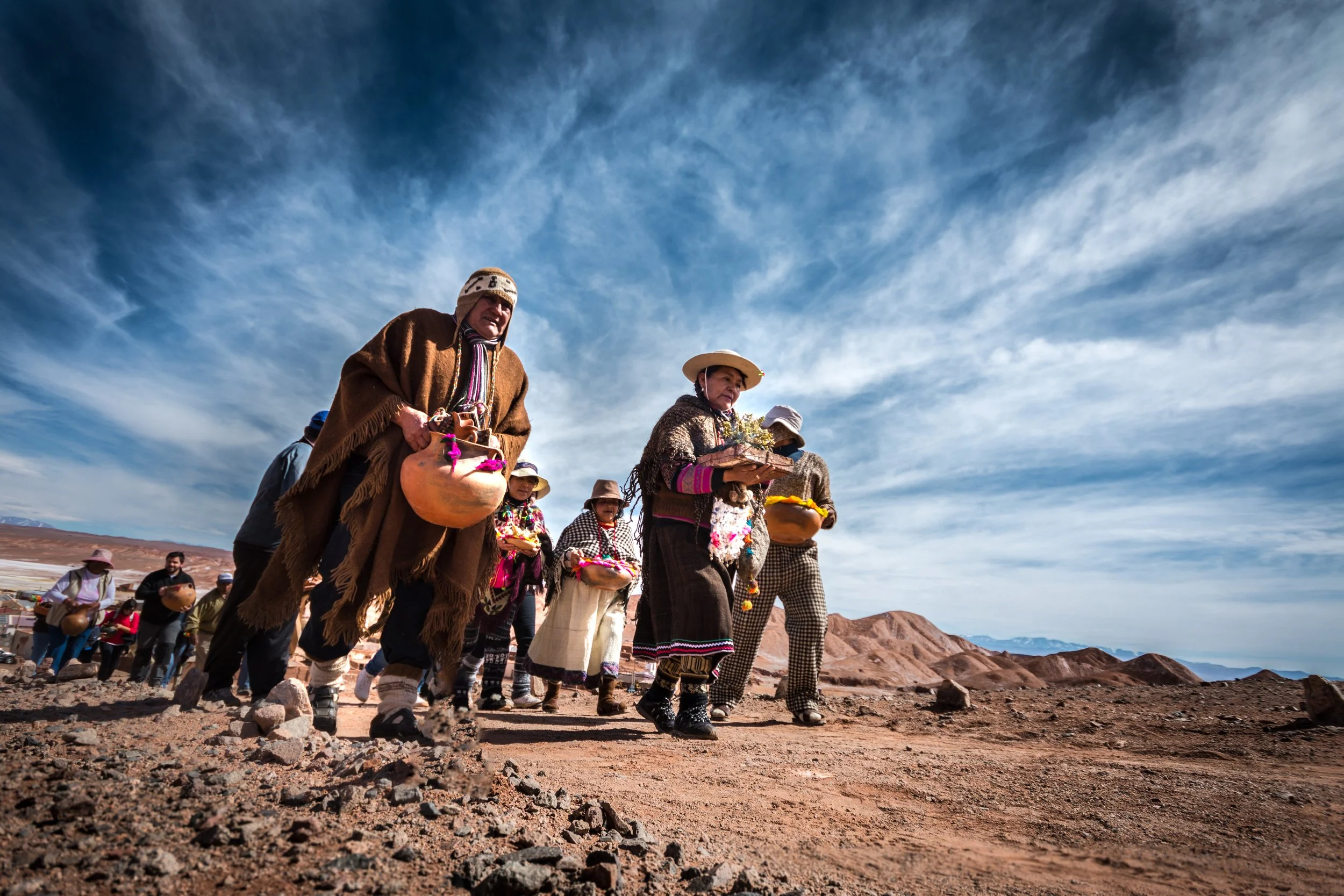
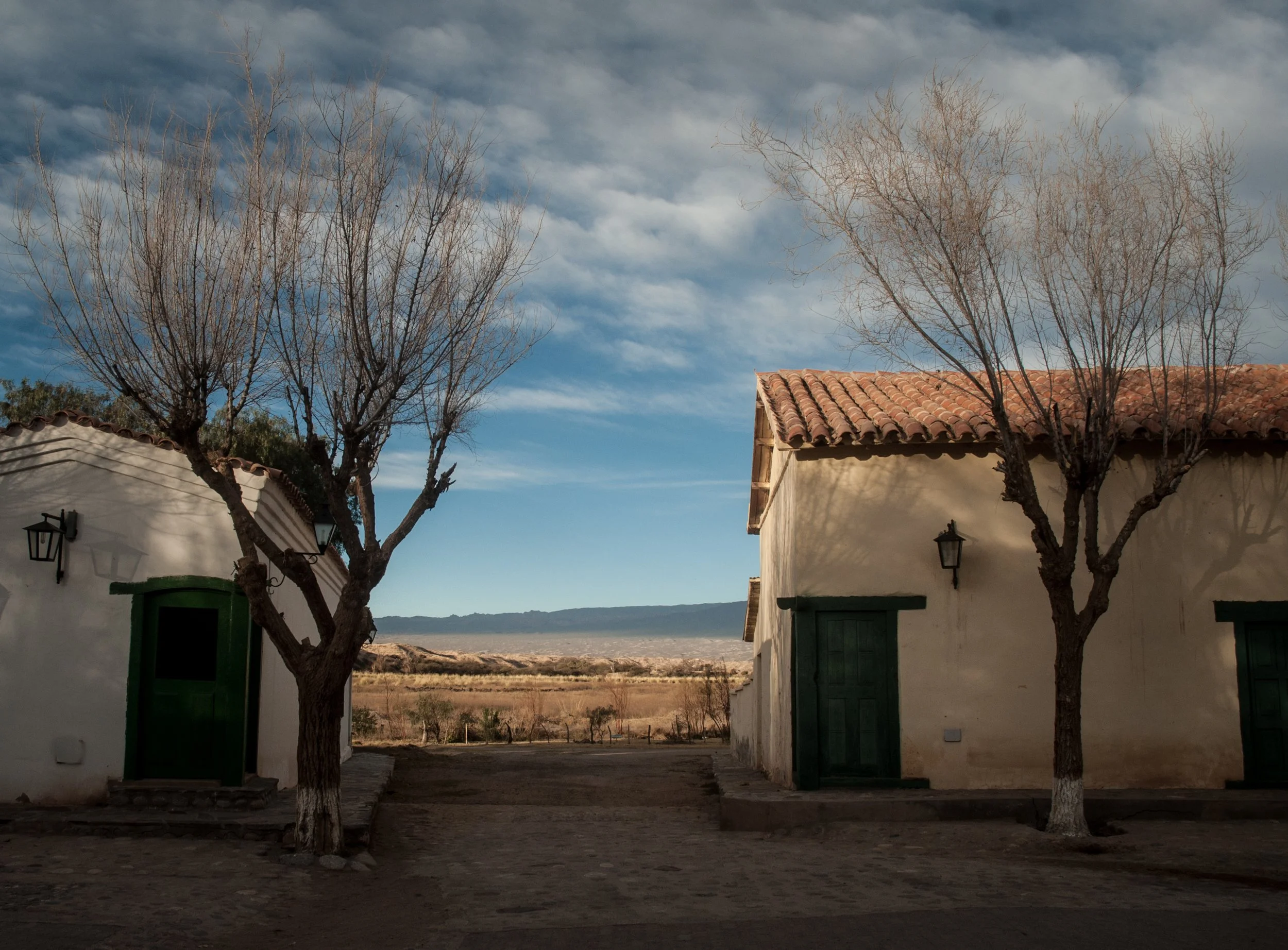
In the vast geography of the Puna and the Altiplano, life does not impose itself—it adapts. At over 3,500 meters above sea level, where the air is thin and the horizon endless, Andean communities have inhabited this territory for centuries, developing an intimate relationship with the land, water, and sky. Heirs to ancient trade routes, shepherds, farmers, and indigenous peoples shaped a culture where time is measured in natural cycles and resilience becomes a form of knowledge.
THE SACRED PATH OF PUNA
Andean Altiplano
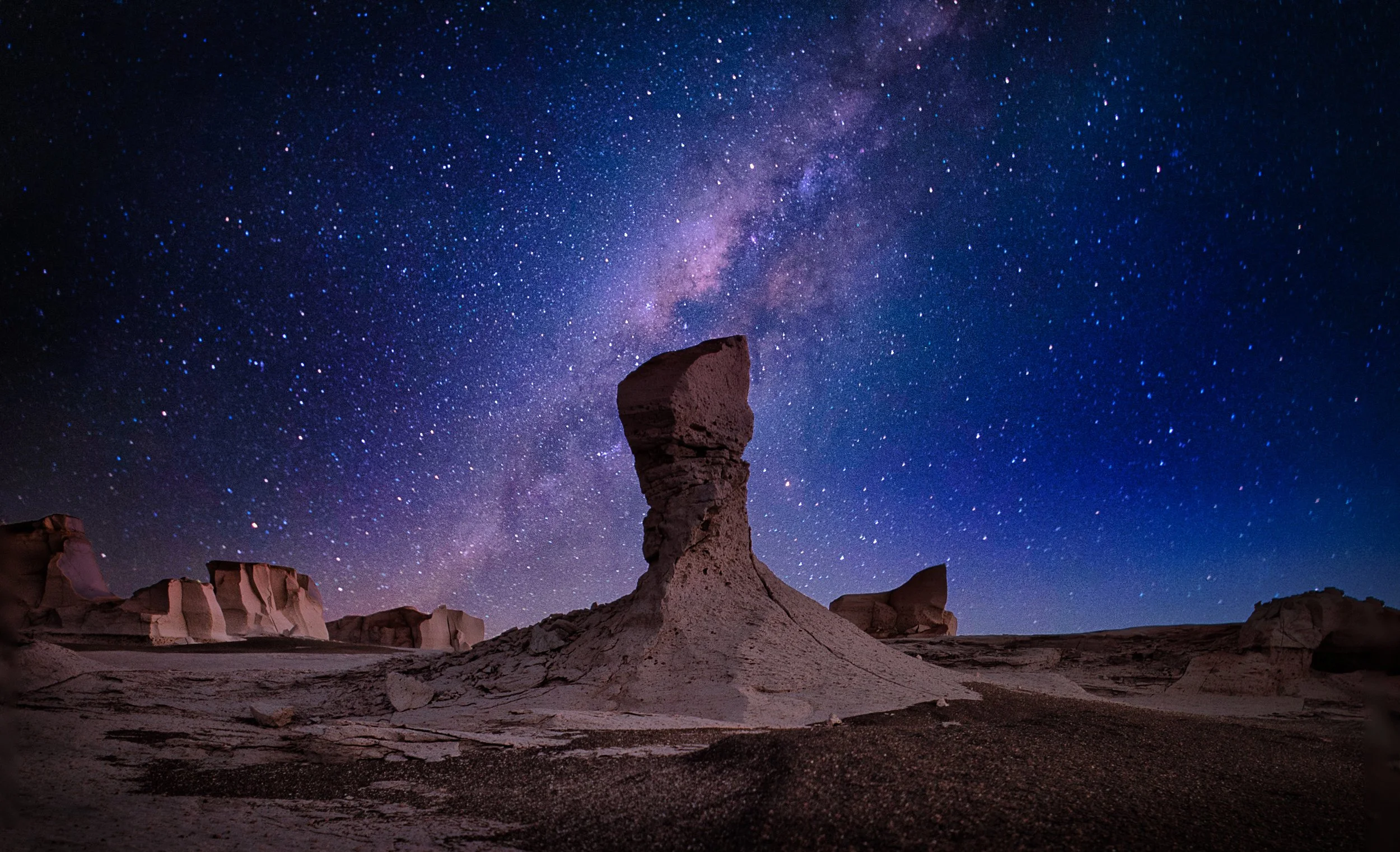
Within this extreme landscape emerge some of South America’s most singular natural landmarks: the vast white expanse of Salar de Antofalla, one of the longest in the world; the volcanic surrealism of Campo de Piedra Pómez; the endless aridity of Salar de Arizaro; the high-altitude mirrors of Laguna Grande, home to Andean flamingos; and the multicolored range of Serranías del Hornocal.
Here, nature is not a backdrop, but the protagonist. And human presence, rather than dominating, learns to coexist—in silence, in altitude, in balance.
Between infinite salt flats and formations sculpted by the wind, the landscape becomes almost unreal. High-altitude lagoons reflect the sky with absolute precision, while the dry, constant air shapes every surface. Here, the Andes are not just a relief: they are a force that orders space, defines rhythm, and reveals, on every horizon, the deep scale of the land.
Collaysuyu
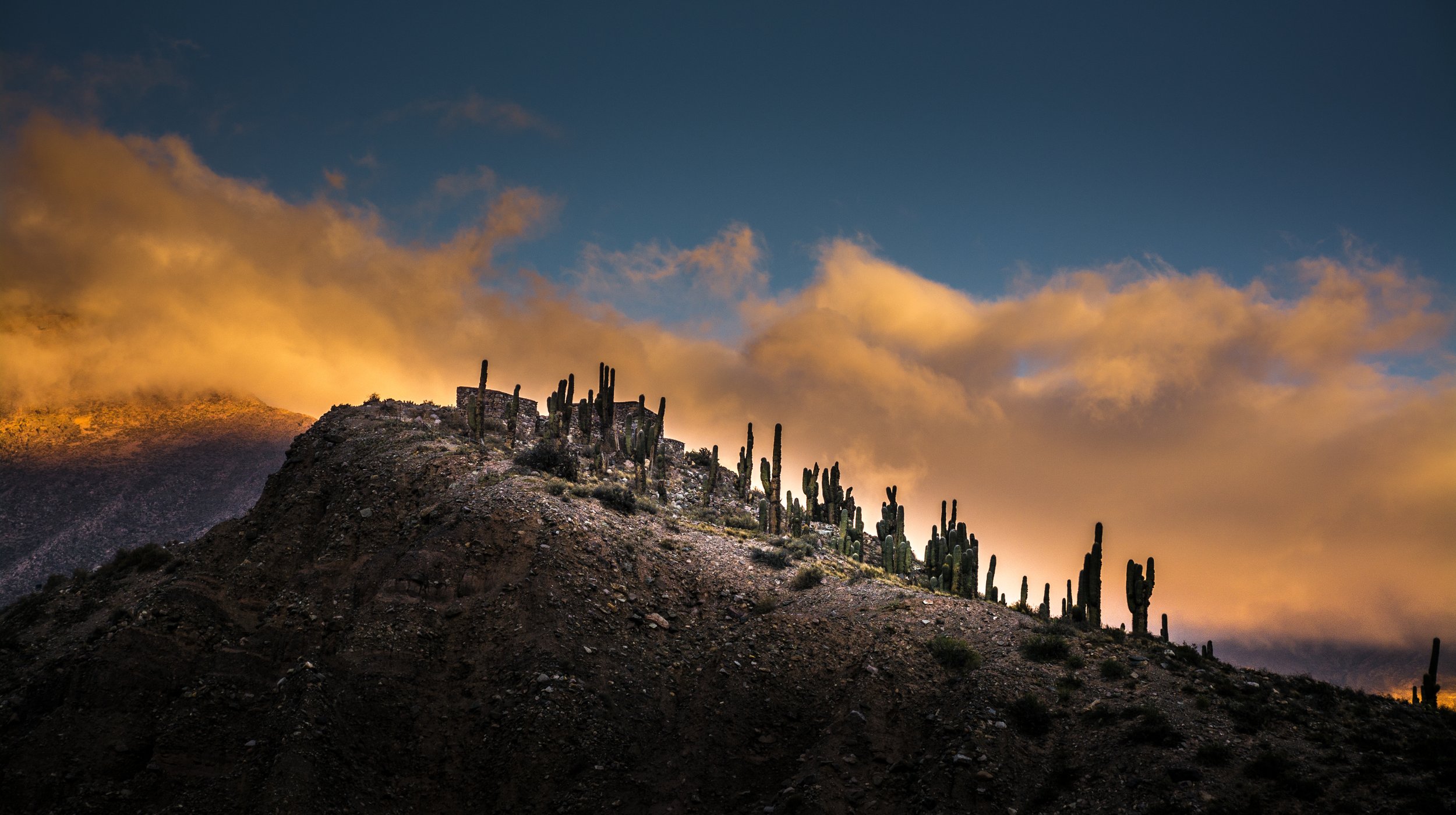
“The ancestral strength of Indigenous peoples and aboriginal culture remains ever present, woven into the living fabric of the Puna.”
ph: Sebastian Del Val - Socompa - Tilcara

6/ Best Activities _
The Adventure Begins
-
Leaving behind the Lerma Valley, we enter the mythical Yungas Forest, a lush subtropical mountain jungle that stretches along the eastern slopes of the Andes from Peru and Bolivia to northern Argentina. This green paradise, with its misty forests, tropical vegetation, and rich biodiversity, offers a striking contrast to the arid landscapes of the region. Along the way, we may stop for a short walk to appreciate the diverse plant life and, with some luck, spot unique bird species that inhabit this ecoregion. In the afternoon, we arrive in the charming town of Purmamarca, beautifully set at the foot of the iconic Cerro de los Siete Colores (Hill of Seven Colors). Here, you can explore the vibrant artisan market, admire local crafts and textiles, and stroll through the cobblestone streets lined with adobe houses, soaking in the peaceful Andean atmosphere.
-
Driving north along Route 9, we enter the UNESCO-listed Quebrada de Humahuaca, a valley where history, culture, and vivid landscapes converge. Along the way, we pass through Uquía, home to the remarkable “Arcángeles Arcabuceros” of the Cusco School, preserved in the historic church. The journey continues to Hornaditas, where time is shared with local families over a homemade meal, offering an intimate glimpse into Andean life and tradition.
In the afternoon, we venture off the main path toward the Serranías del Hornocal, where a hidden viewpoint reveals the striking, multicolored mountains. As the light shifts across their surfaces, we return to Purmamarca, carrying the depth and color of the day.
-
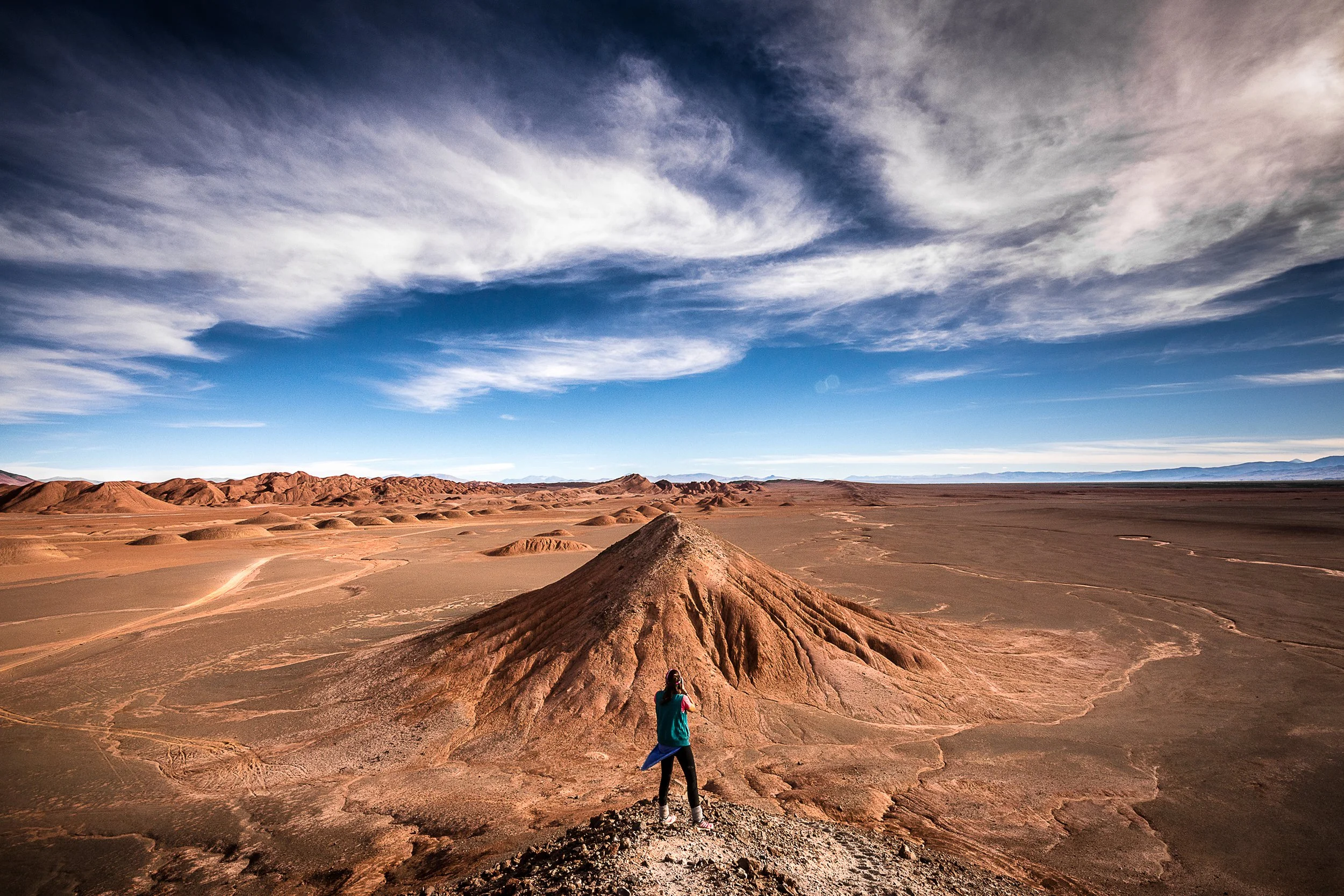
The day starts ascending through Cuesta del Lipan with magnificent viewpoints on the way. Later you will encounter Salinas Grandes, a breathtaking white salt crust that extends to the horizon. The trip continues driving south on the Ex 40 Road to arrive at San Antonio de los Cobres, the most populated town in the Puna region. After a short stop, the tour continues crossing the Labyrinth desert, a Mars-like landscape, surrounded by brown and red colored mountains. You will arrive in Tolar Grande, a mine town situated at 3500 m.
-
Our journey begins at Caipe, a former train station overlooking the vast Salar de Arizaro, once a hub for mineral transport and now a silent viewpoint over one of Earth’s largest salt flats.
We continue to the remote Salar de Río Grande, an untouched salt desert of striking formations and absolute stillness. From there, the landscape grows harsher as we reach Mina La Casualidad, a ghost town at 4,200 meters, where abandoned structures recall a once-thriving mining past.
Ascending further, we arrive at Mina Julia (5,200 m), where extreme conditions and raw terrain evoke an almost otherworldly atmosphere. After exploring this remote frontier, we return to Tolar Grande at sunset, carrying the vast, silent imprint of the Puna.
-
The crossing of Arizaro Salt Flat echoes the ancient routes of the arrieros, where harsh conditions once claimed many animals, giving it the name “Vultures’ Cemetery.”
Antofalla emerges as a rare Puna oasis—a green valley sustained by natural springs, lined with poplar, molle, and willow trees. Once a key stop for llama caravans, it sits beside the world’s longest salt flat and remains home to a small shepherd community.
Continuing across this high-altitude landscape, we reach Vega Colorada, where llamas, vicuñas, and suris roam beneath vast volcanic views. Nearby, Calalaste offers sightings of wild camelids. The journey ends in Antofagasta de la Sierra, a historic Andean village where traditions endure among towering volcanic peaks.
-
Our adventure begins at the edge of Campo de Piedra Pómez, reaching the Carachi Pampa basin, where a volcano, black lava fields, and a lagoon host Andean and James’ flamingos. In dry season, a salt lake forms nearby.
We then enter the Natural Reserve Campo de Piedra Pómez, a surreal landscape of volcanic origin shaped by an ancient explosion. Ash and debris crystallized into porous white rock, later sculpted by the harsh Puna winds into labyrinths and dunes. Crossing this remote terrain, we return to the hotel in time for sunset.
-
Distance: 250 km paved road, 50 km gravel road. | Altitude: Highest point 4.000 m./13.123 feet. Cafayate 1.683 m. / 5.522 feet. | Estimated driving time: 5 hs.
After days of intense travel on the High Desert Plateau, the North West still has plenty of surprises. The paved road from El Peñón to meet Route 40 is a 150 km long yellow field of Paja Brava, white lagoons and a deserted narrow canyon filled with rich vegetation. We will visit the Quilmes Ruins, probably the most interesting Pre Inca Archeological site with a dramatic story that gave an end to this ancient population. Arrival to the pleasant town of Cafayate and its green vineyards.
ACCOMMODATIONS / PUNA ROAD
Stay with Locals
in Puna_
Across the high-altitude expanses of the Puna, a network of simple paradores and hosterías emerges as a quiet extension of the land itself. Set among salt flats, volcanic fields, and remote villages, these spaces are not designed to stand out, but to belong—shaped by climate, isolation, and ancestral ways of living.
Here, staying becomes an exercise in simplicity: shared warmth, elemental comfort, and genuine human connection. Defined by authenticity rather than luxury, each place offers shelter within vastness, where silence, altitude, and community invite a deeper awareness of landscape, culture, and presence.
-
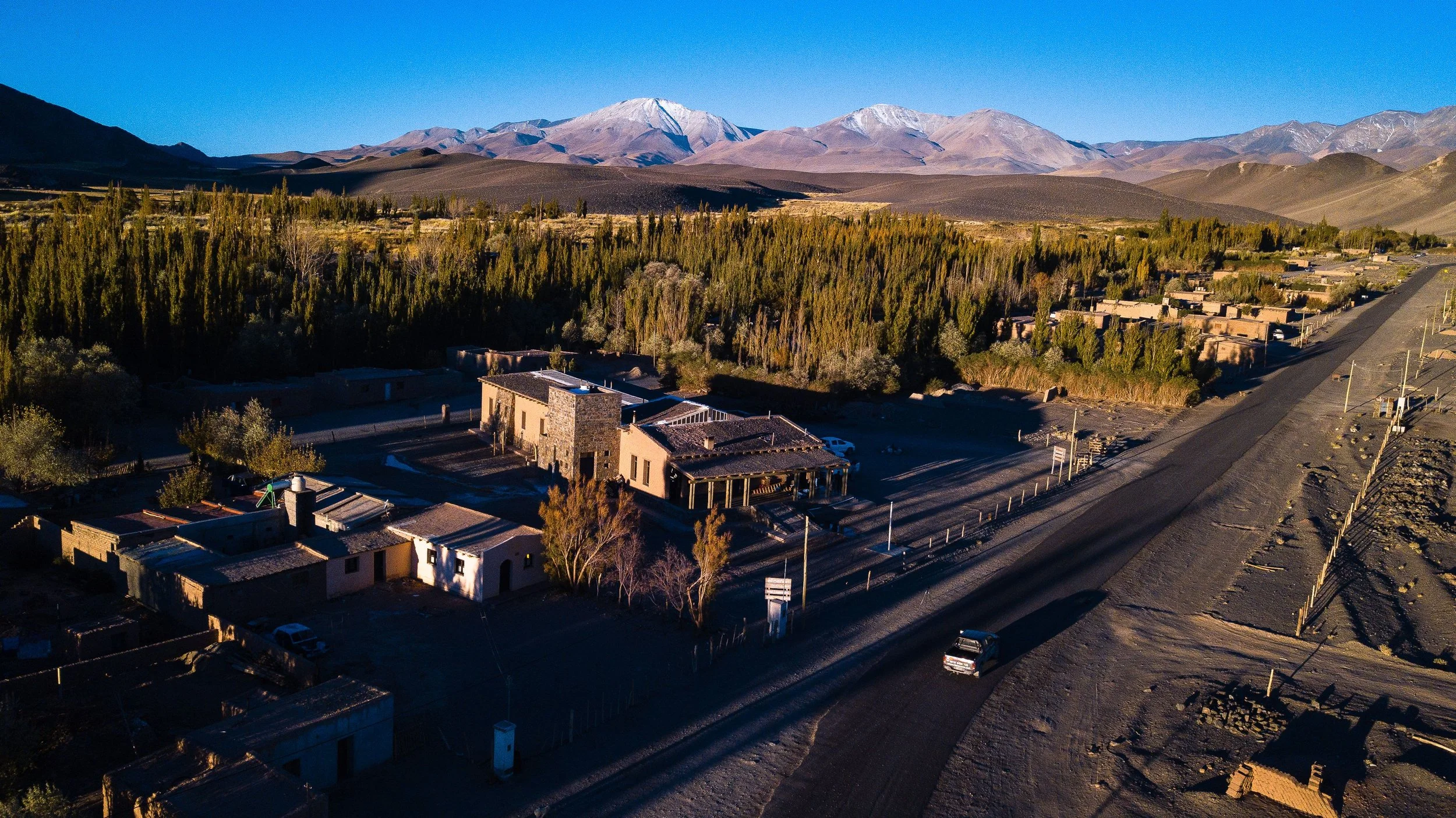
Hostería El Peñón
Set within the high-altitude landscapes of Puna Catamarqueña, Argentina, this simple, authentic refuge connects travelers with volcanic silence, ancestral paths, and the vast stillness of a remote Andean reserve.
-
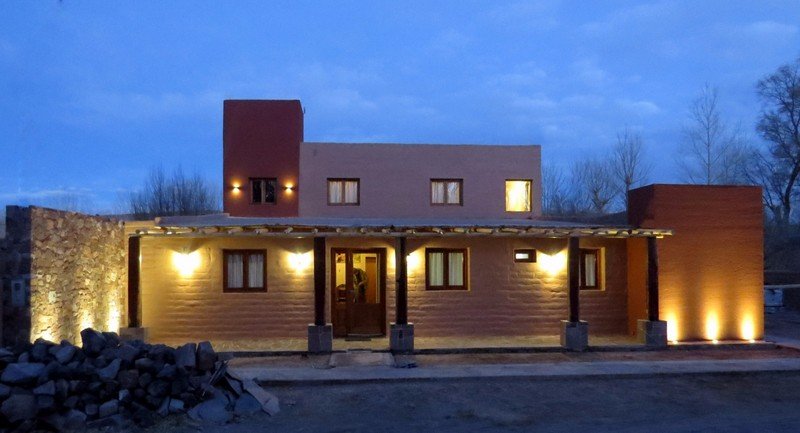
Hostería Pueblo del Sol
Located in Puna Catamarqueña, Argentina, this simple, authentic retreat offers a gateway to desert landscapes, thermal waters, and highland culture within a fragile and expansive natural reserve.
-
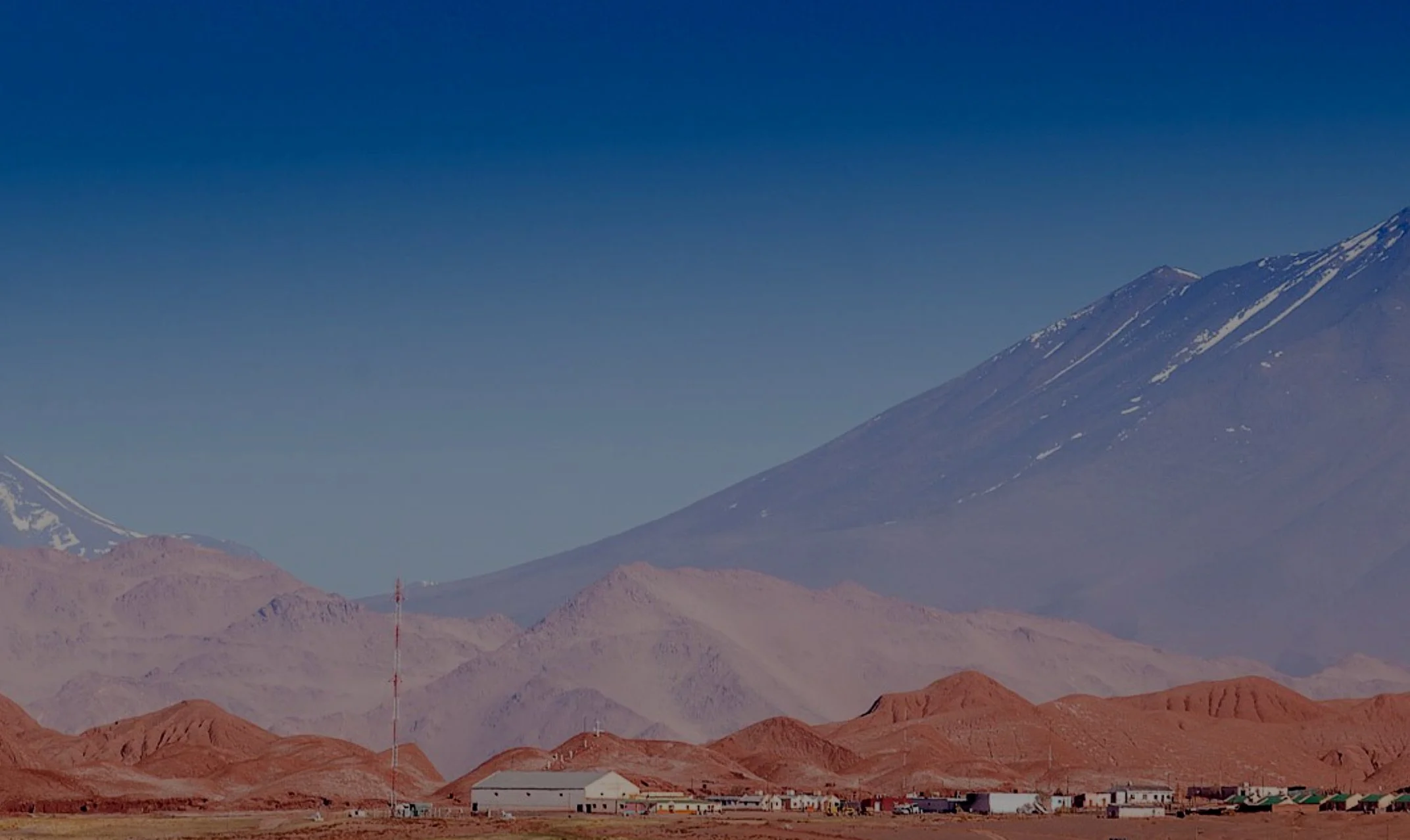
Hostería Casa Andina
Set in the remote Puna Catamarqueña, Argentina, this simple, authentic stay embraces altitude, silence, and community, where local traditions and raw landscapes define a deeply connected Andean experience.
-
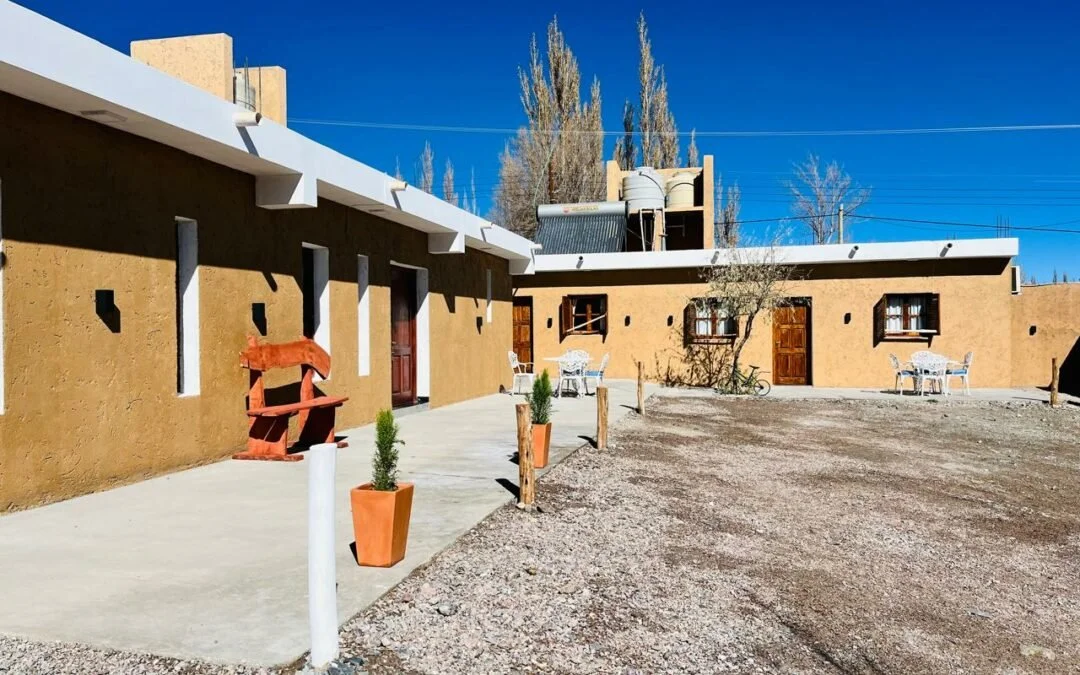
Apart Patta Tickan
Nestled in El Peñon, Puna Argentina, this simple, authentic base invites exploration of salt flats, high deserts, and ancestral routes within one of the most striking Andean reserves.
Curated Accommodations
in Salta_
-
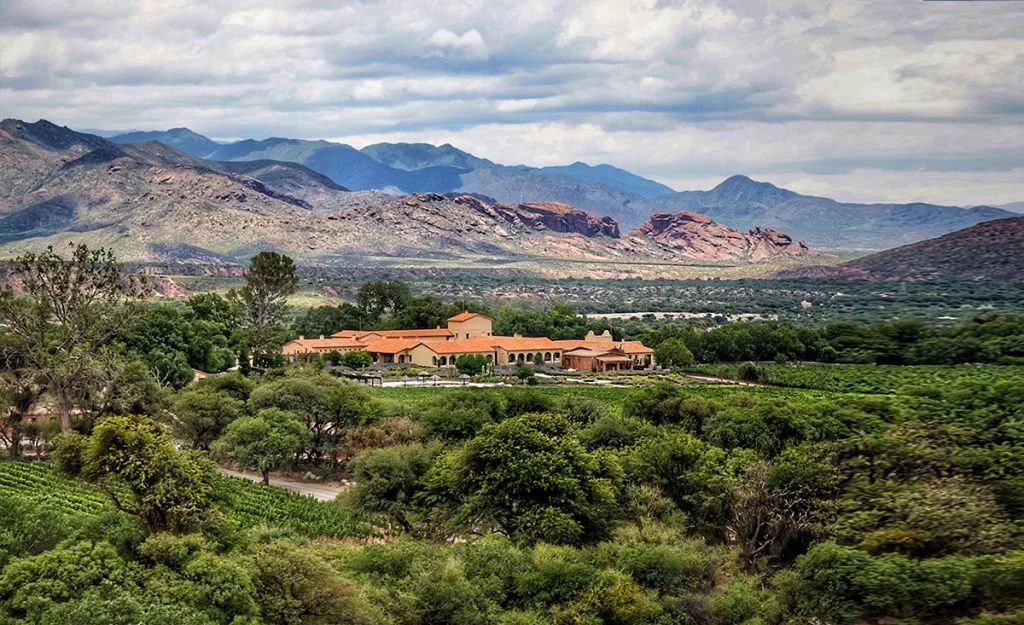
Colomé Ranch
Set within the Calchaquí Valleys of Valles Calchaquíes, Argentina, this luxury, authentic estancia offers secluded immersion among vineyards, altitude, and art, where silence, scale, and refined hospitality converge.
-
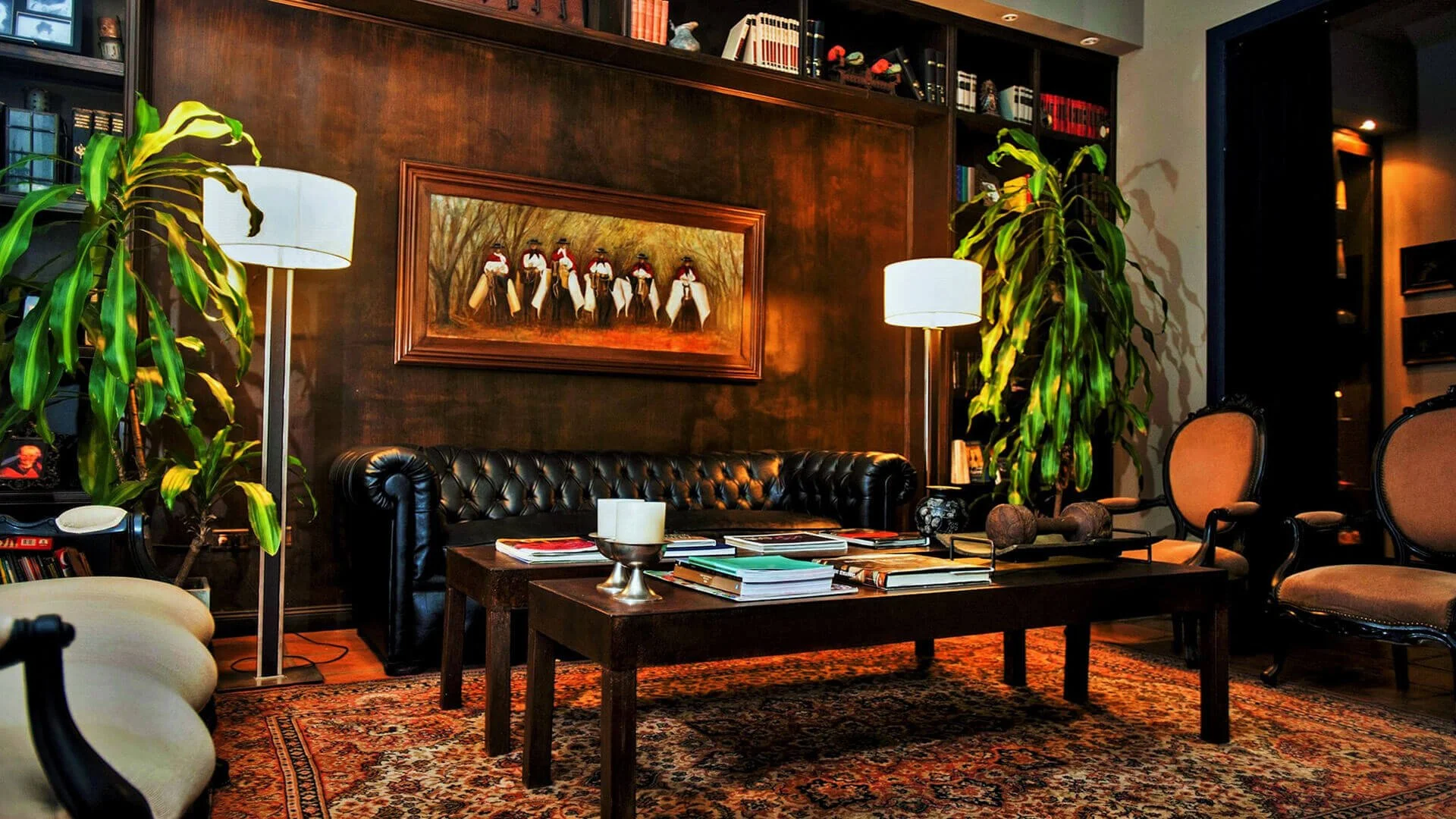
Legado Mítico Salta
Set in the historic heart of Salta, Argentina, this luxury, authentic boutique hotel celebrates cultural identity, where each space tells a story through design, memory, and refined local character.
-
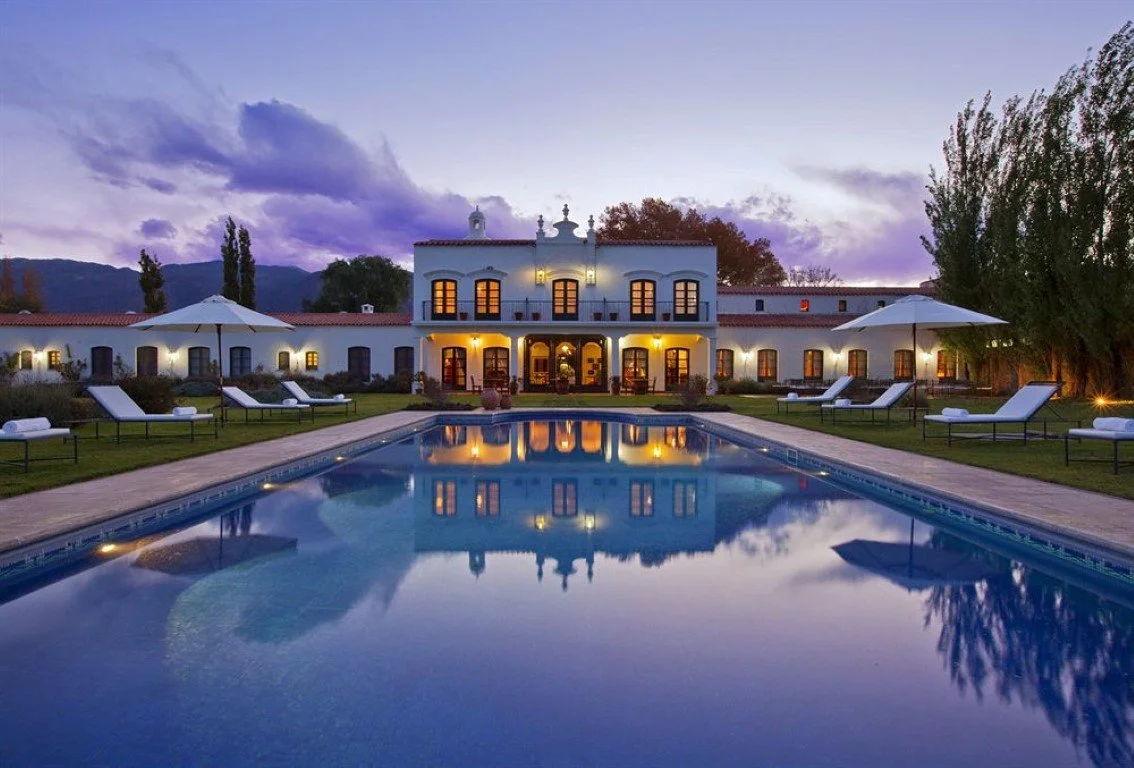
Patios de Cafayate
Nestled in Valles Calchaquíes, Argentina, this luxury, authentic retreat opens to vineyards and mountain light, where wine, tradition, and quiet elegance define a timeless northern stay.
-
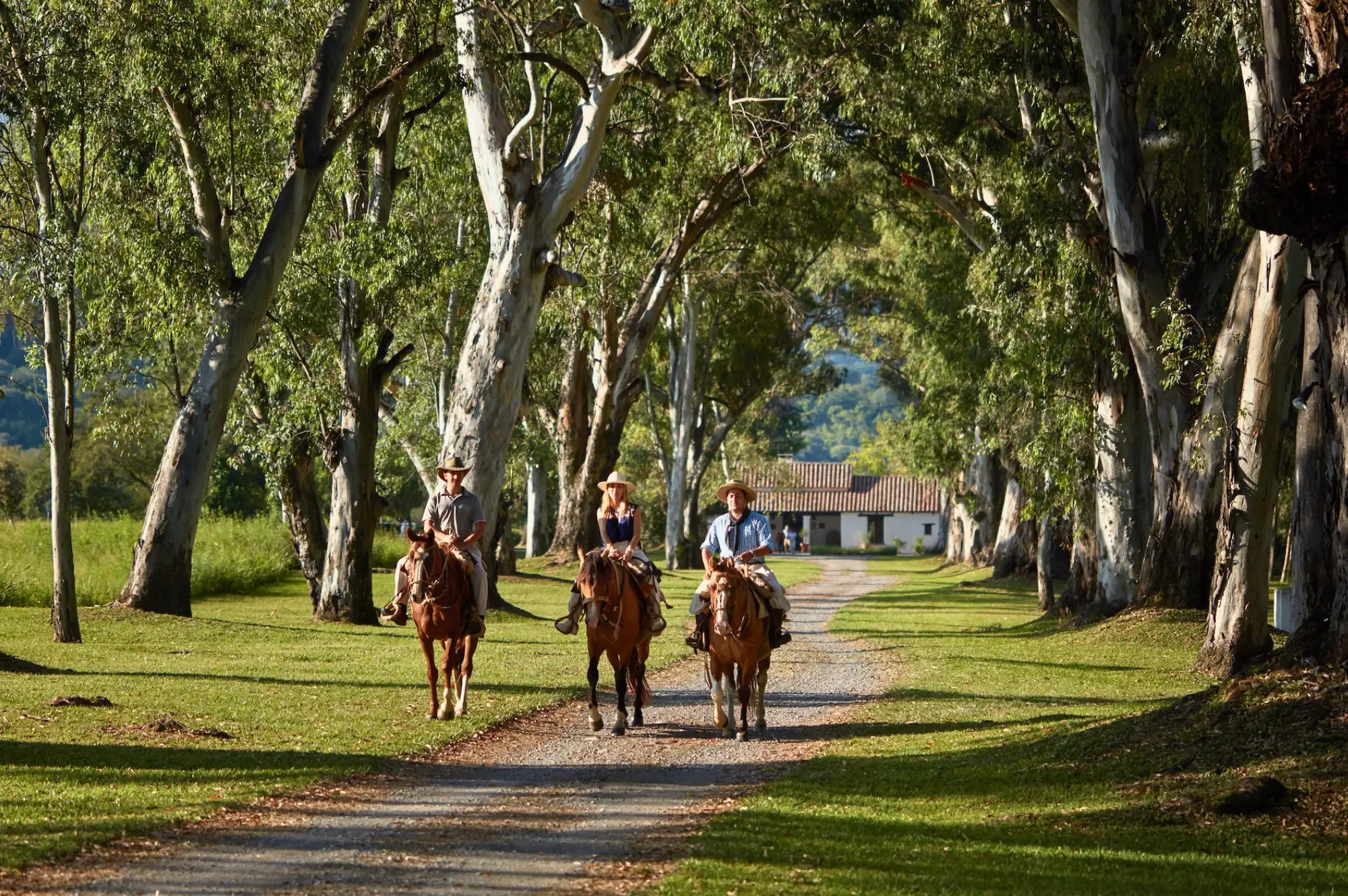
House of Jasmines
Located near Salta, Argentina, this luxury, authentic hacienda blends colonial heritage with natural calm, where gardens, mountains, and intimate service create a deeply welcoming and grounded experience.