Exploring the Edge,
Tierra del Fuego.
A land that has long tested human spirit — from the ancestral presence of its indigenous peoples, to the courage of early navigators, and the resilience of those who call it home today, shaped by its striking natural beauty.
ph: Luciano Bacchi - final memories
A land that has long tested human spirit — from the ancestral presence of its indigenous peoples, to the courage of early navigators, and the resilience of those who call it home today, shaped by its striking natural beauty.
ph: Luciano Bacchi - text: Sebastian Baroncini
Tierra del Fuego Expedition 2025
After four journeys through southern Argentina, and brief encounters with places that drew my attention beyond the tourist routes, we decided to cross to the island of Tierra del Fuego to trace our own path.
Since childhood, the island had awakened in me an almost obsessive fascination — a place where nature constantly outweighed human presence, seemingly untouched, nearly uninhabited. Stories of shipwrecks, lighthouses, earthquakes, an extreme Patagonian prison, gauchos, Selk’nam culture, estancias, and gold seekers were just some of the many signs that invited me to explore its roads and the quiet magic of its landscapes.
In January 2025, we flew over the island with the goal of navigating its waters and attempting a landing at Cape Horn. The weather opened one of those rare windows that occur only in the violent collision of seas — a kind of permission granted by nature itself, allowing passage into another dimension where few ever arrive. For centuries, explorers had been drawn here by the promise of discovery and lands belonging to no one.
Even as we documented that brief adventure, we were already imagining and gathering information for what would follow two months later: the expedition into the last frontier.
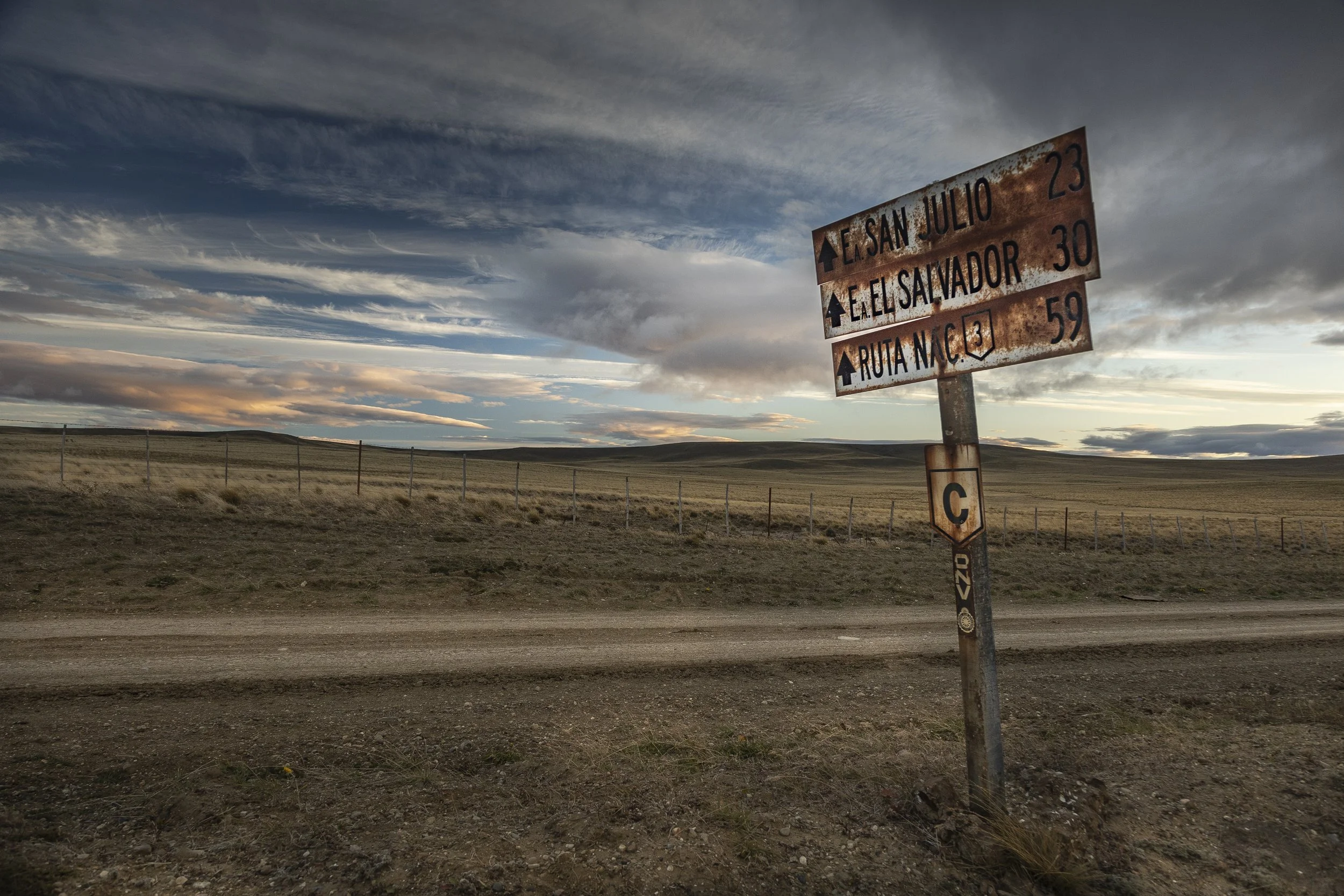
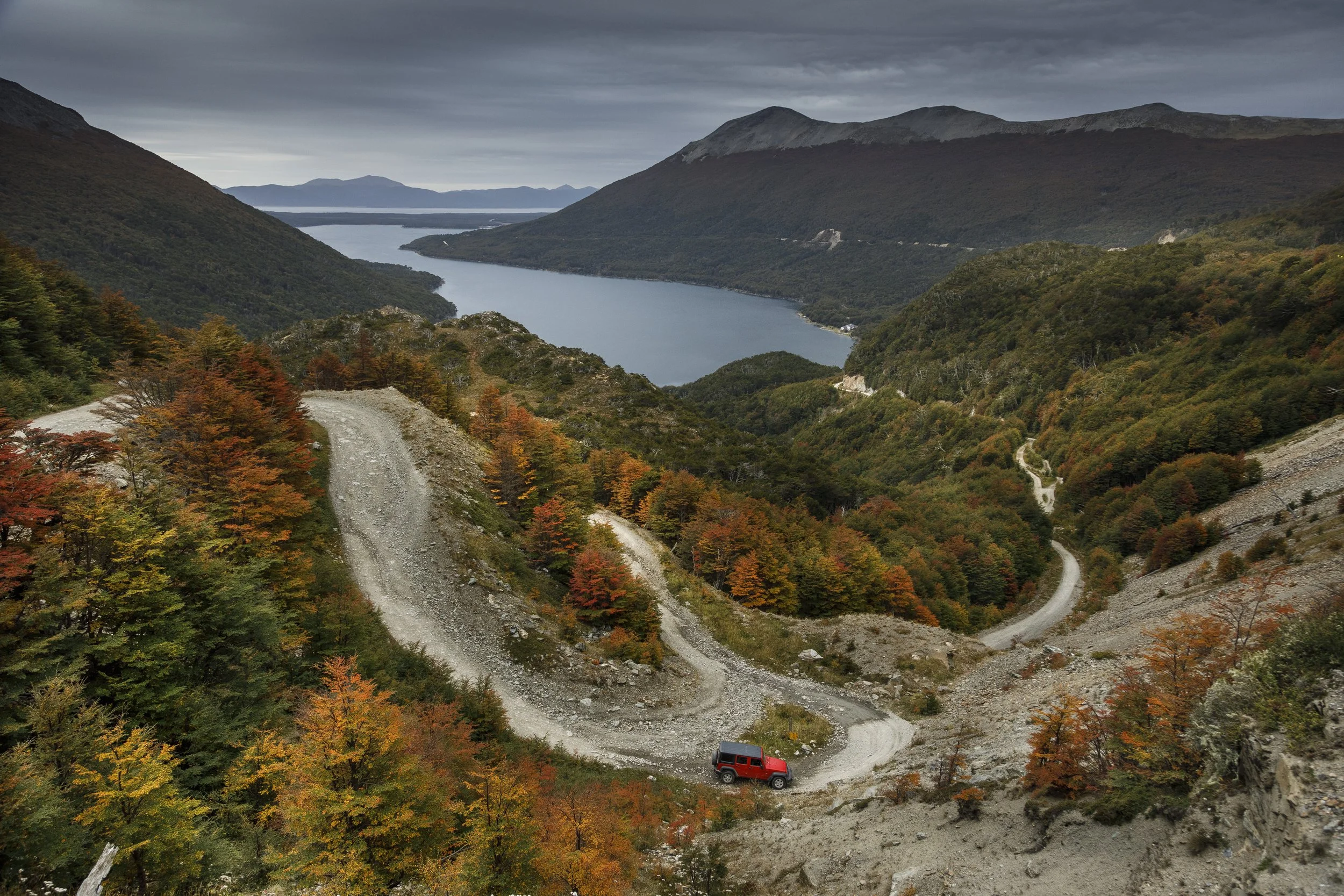
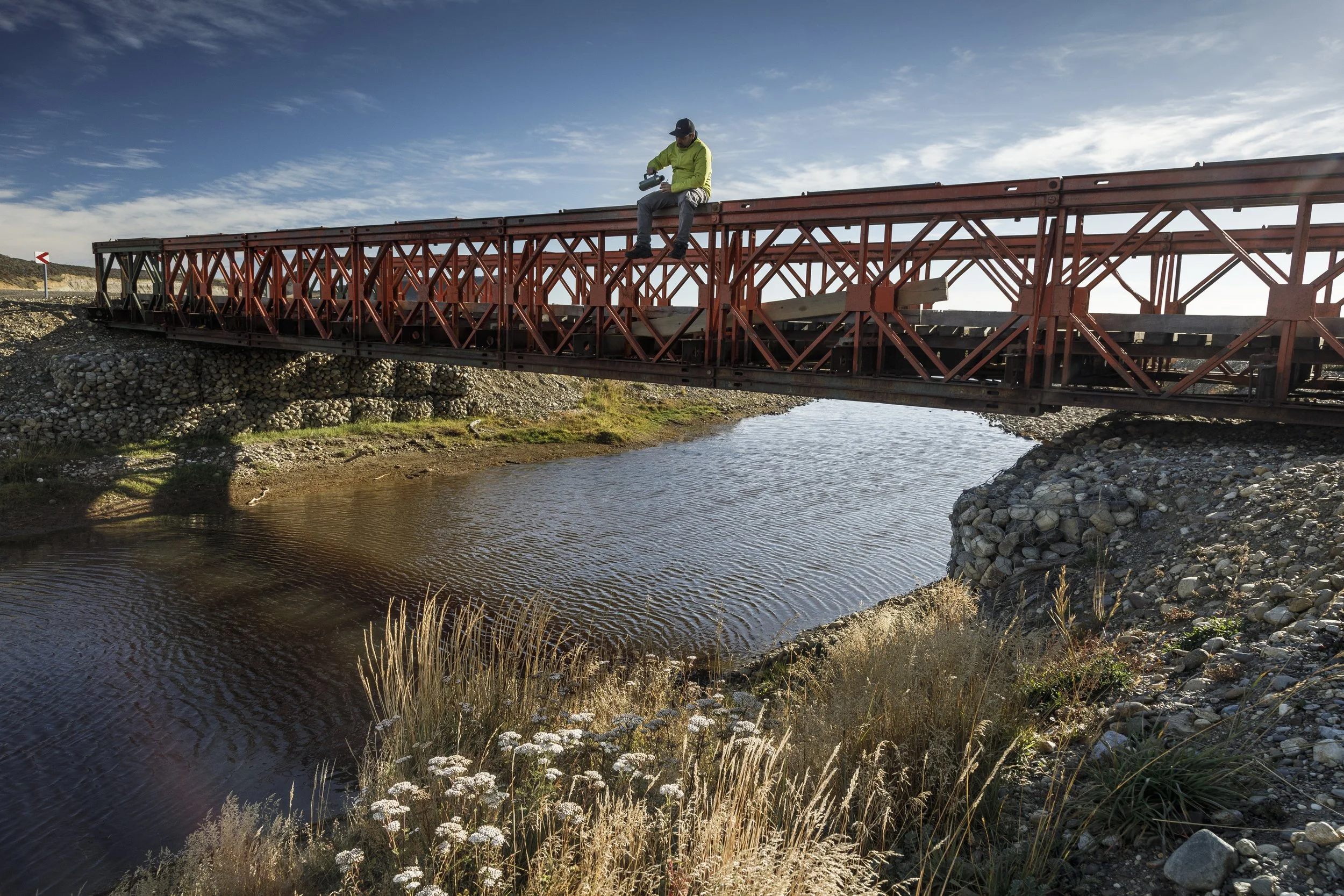
March arrived, and the journey began. Based in Ushuaia, we prepared maps, the vehicle, supplies, and equipment to explore and experience the island in its most authentic form. We headed north, 400 kilometers into the open moorlands, following every road we could find — and it did not disappoint. The adventure felt like a true pause in time, where every human footprint became a subtle accent within overwhelming natural beauty. With a distinctly British aesthetic present in many details, the island became the destination that best illustrated the stories and pages of the books we had read all our lives about Patagonia.
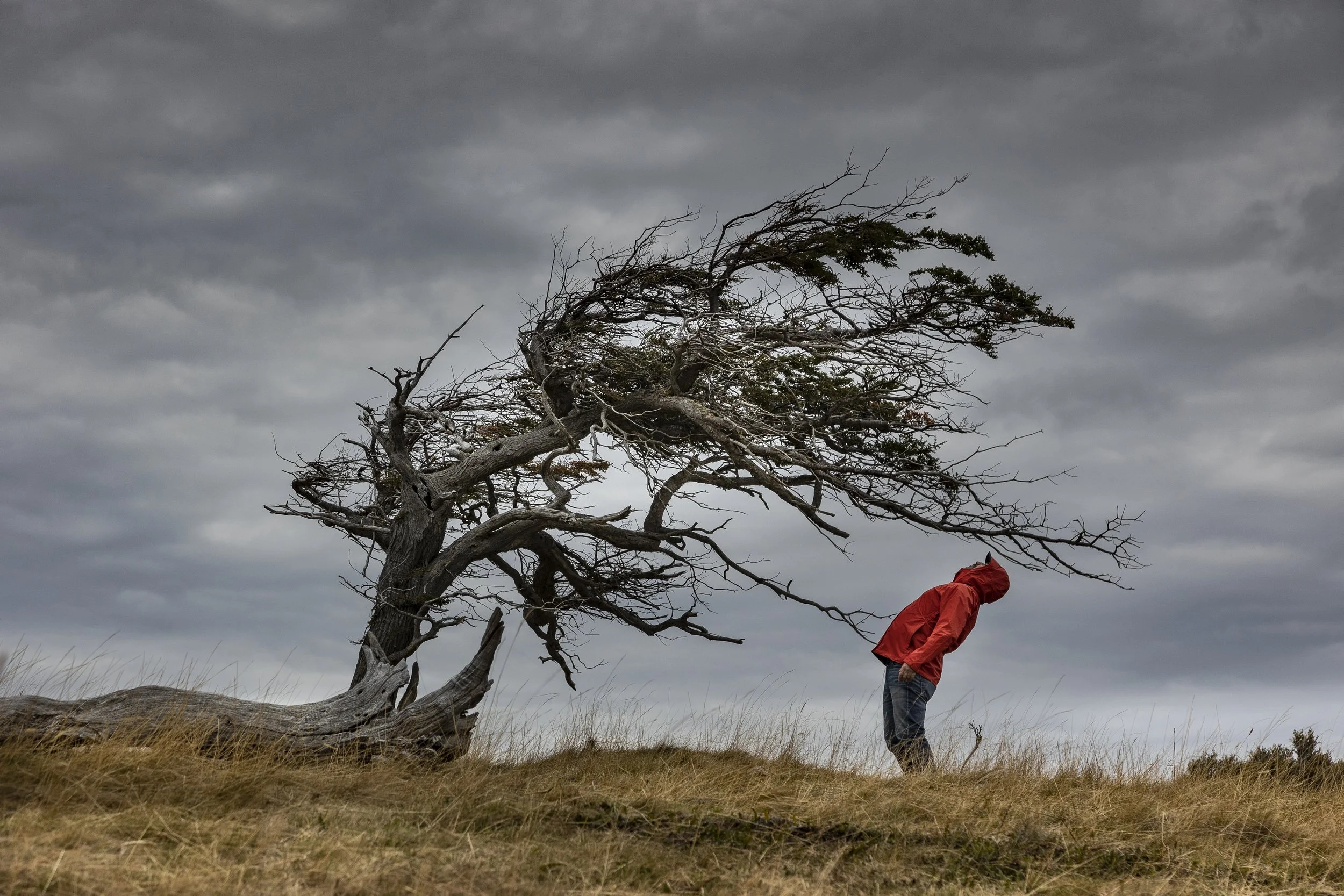
One afternoon, we crossed vast expanses of open land until reaching deserted beaches framed by steep cliffs. Some local estancieros, aware of our presence, warned us of prehistoric markings embedded in the rock walls. There, along hundreds of kilometers of coastline where only the wind, sand, and ourselves existed, the conditions were raw and unforgiving — one of those days we call purely Patagonian.
“The marker is close to the strait,” we noted on the map, gazing toward the magnificent Strait of Magellan — the island’s only connection to the continent, crossed by ferry. Though familiar with that route, we chose not to take it. This journey was solely about the island.
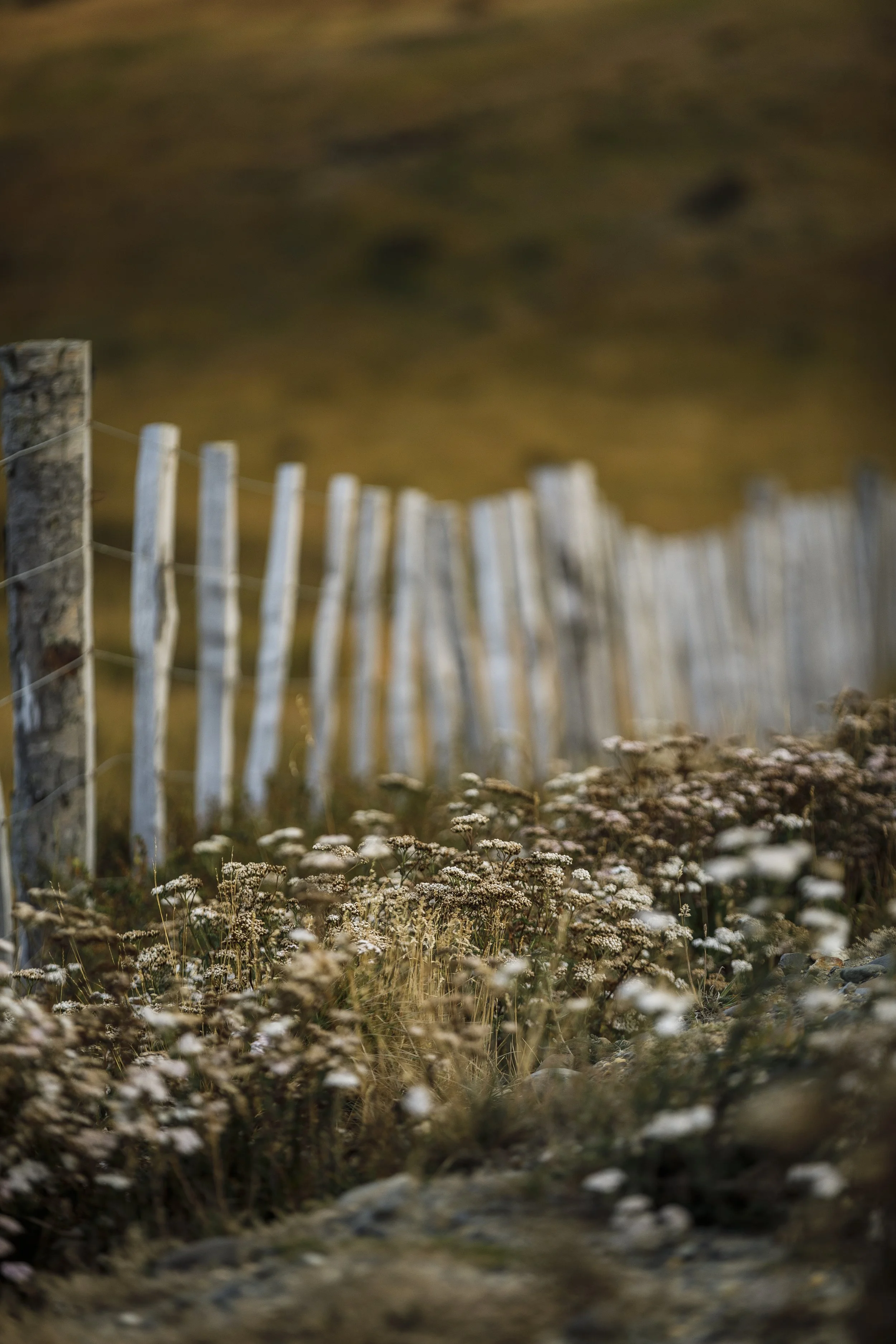
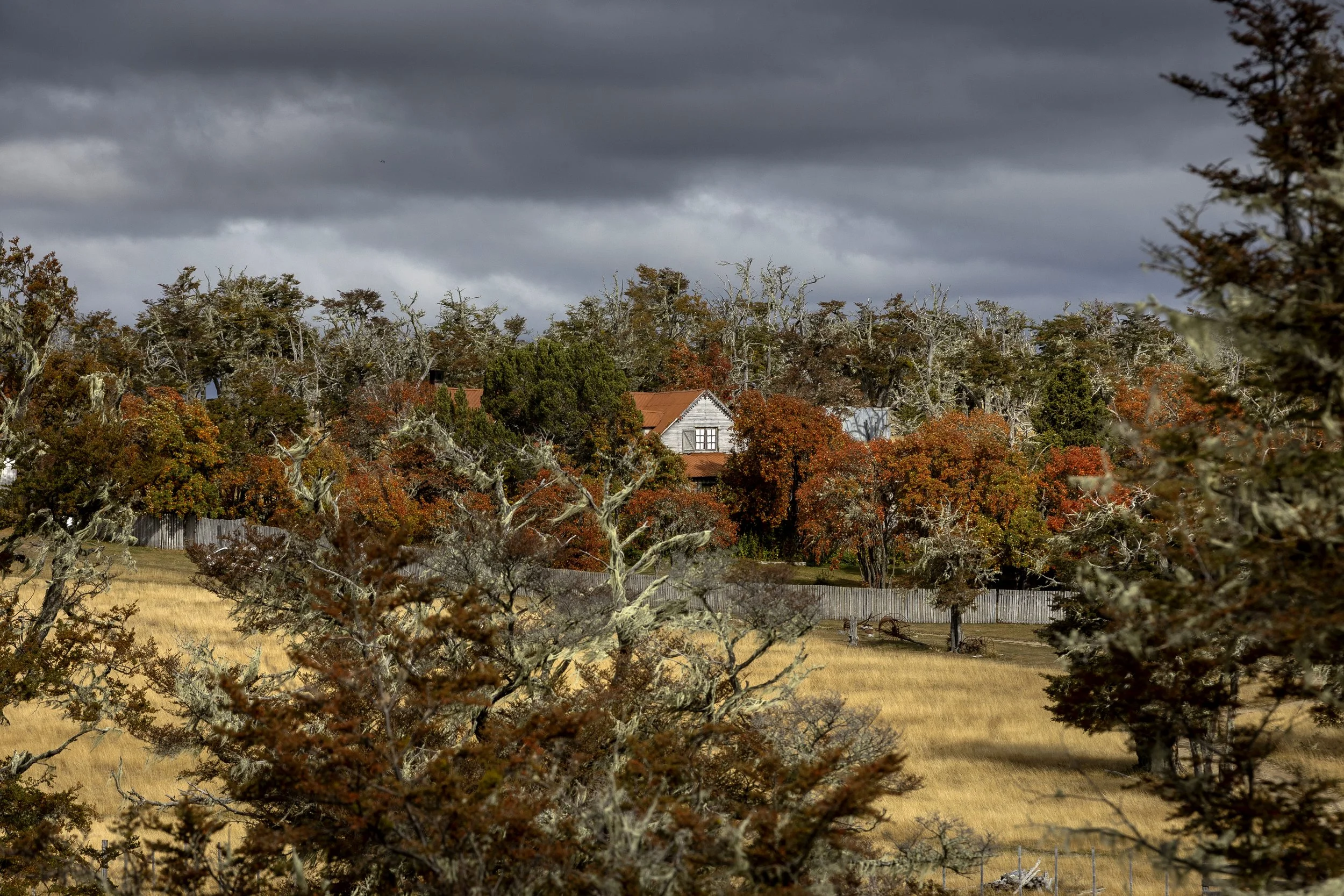
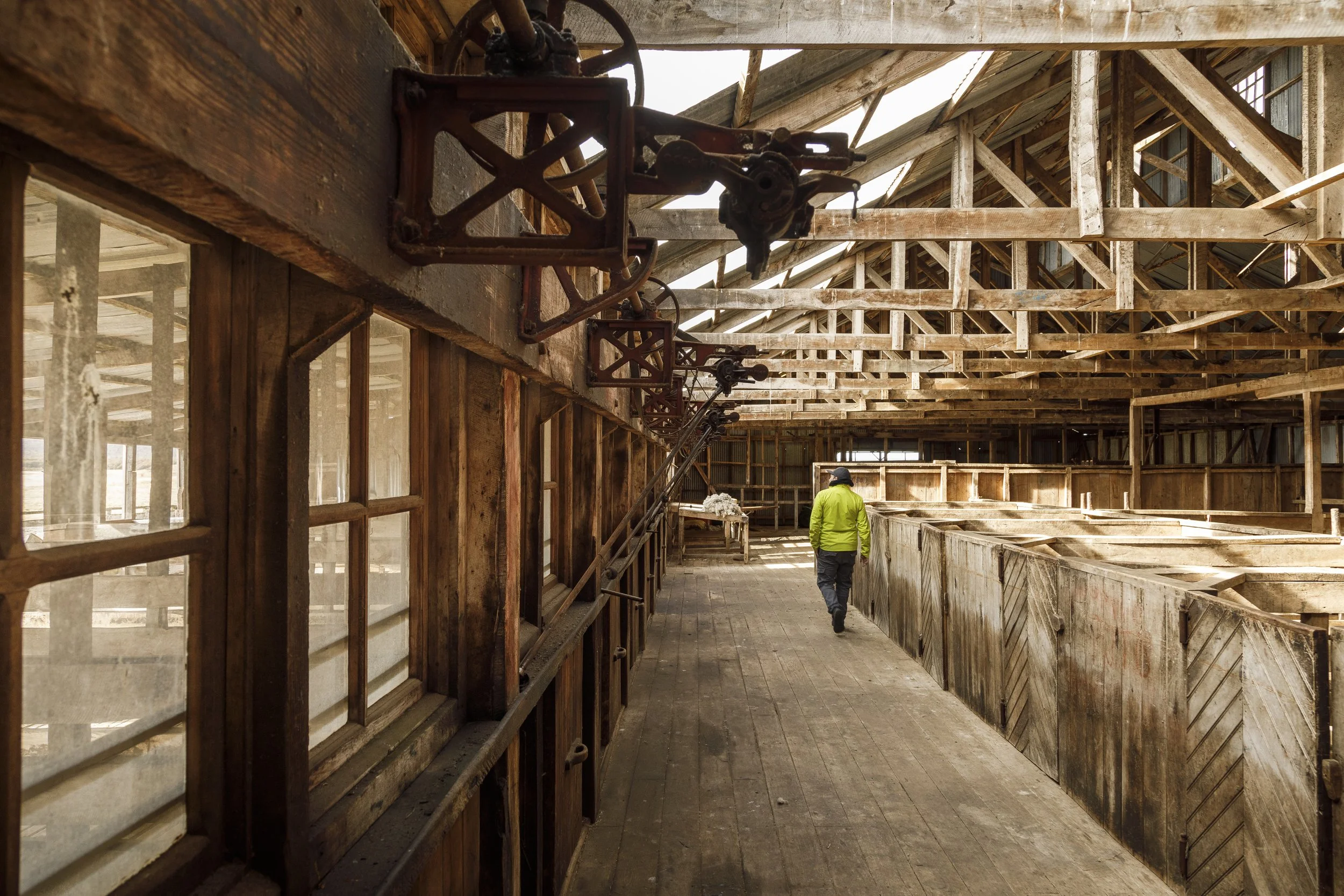
From there, we moved back into the green and golden steppe so characteristic of Tierra del Fuego, following fences until reaching the imposing estancias of Sara, María Behety, and Viamonte, still active today and encircling the city of Río Grande. The legacy of the Menéndez Behety family, alongside the histories of the Bridges and Goodall families, is so deeply rooted that their presence can still be felt while walking through the streets, paths, and old sheds.
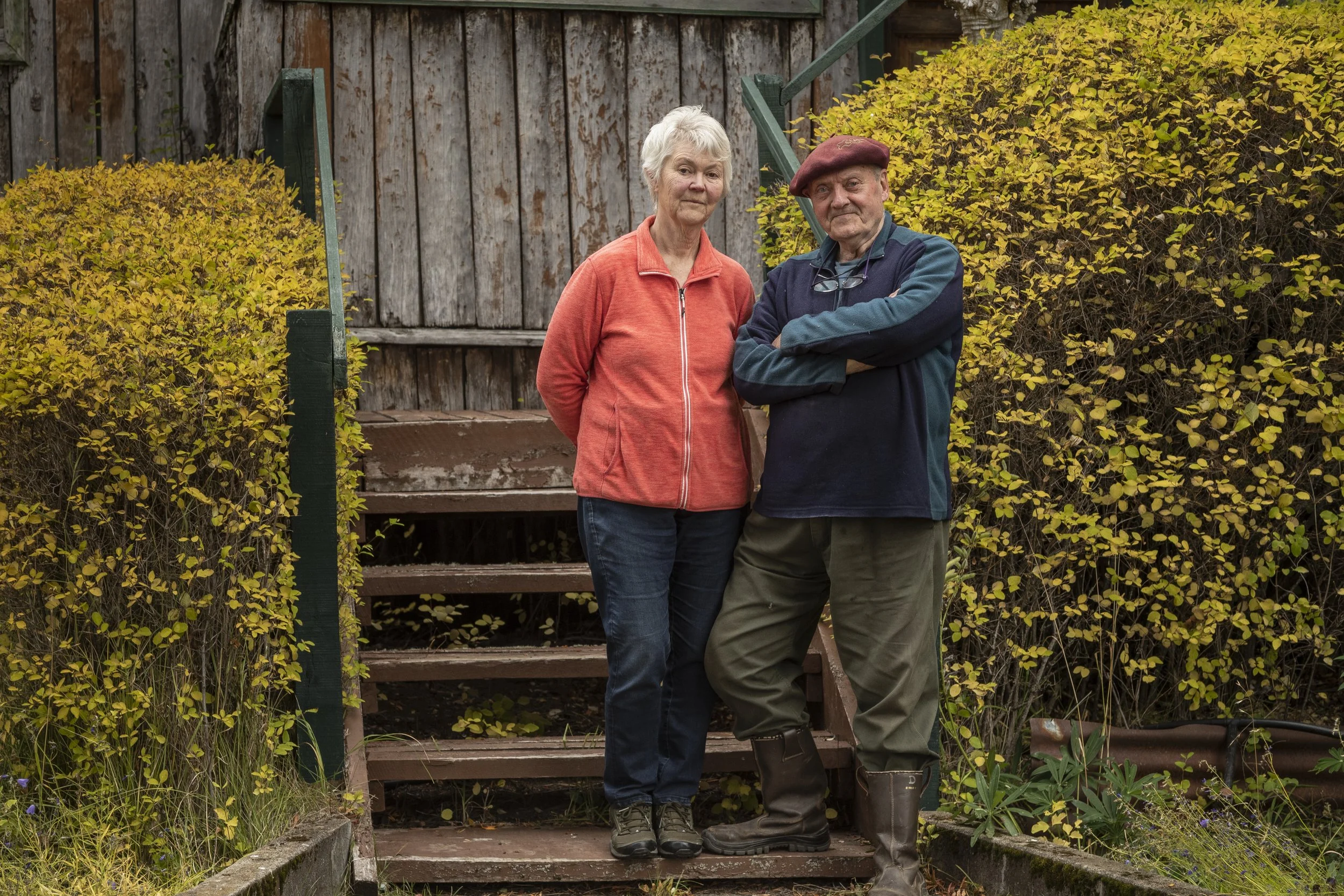
Continuing along the route, the steppe gradually gave way to low forest, a prelude to the dense southern woodland — a dreamlike geography. Among uneven terrain and red, yellow, and grey trees, Estancia Las Hijas emerged, rich in history. There, our hosts Carol and Richard welcomed us with coffee and a walk among relics and barns, sharing the stories of these forgotten roads.
One of those roads became our next objective: Route A, heading east toward Estancia San Pablo and Rolito. Here, Fuegian women take center stage, opening their homes to travelers and sharing their lives and stories. In old Patagonia, estancias were small villages where working families lived alongside landowners for long seasons, often with a main street, shops, blacksmiths, bakeries, and sometimes even schools. To the south, Harberton, San Pablo, and Viamonte marked safe Selk’nam routes, offering work and protection from hunters who sought to expel them from the island. Lucila welcomed us there, inviting us into yet another life story.
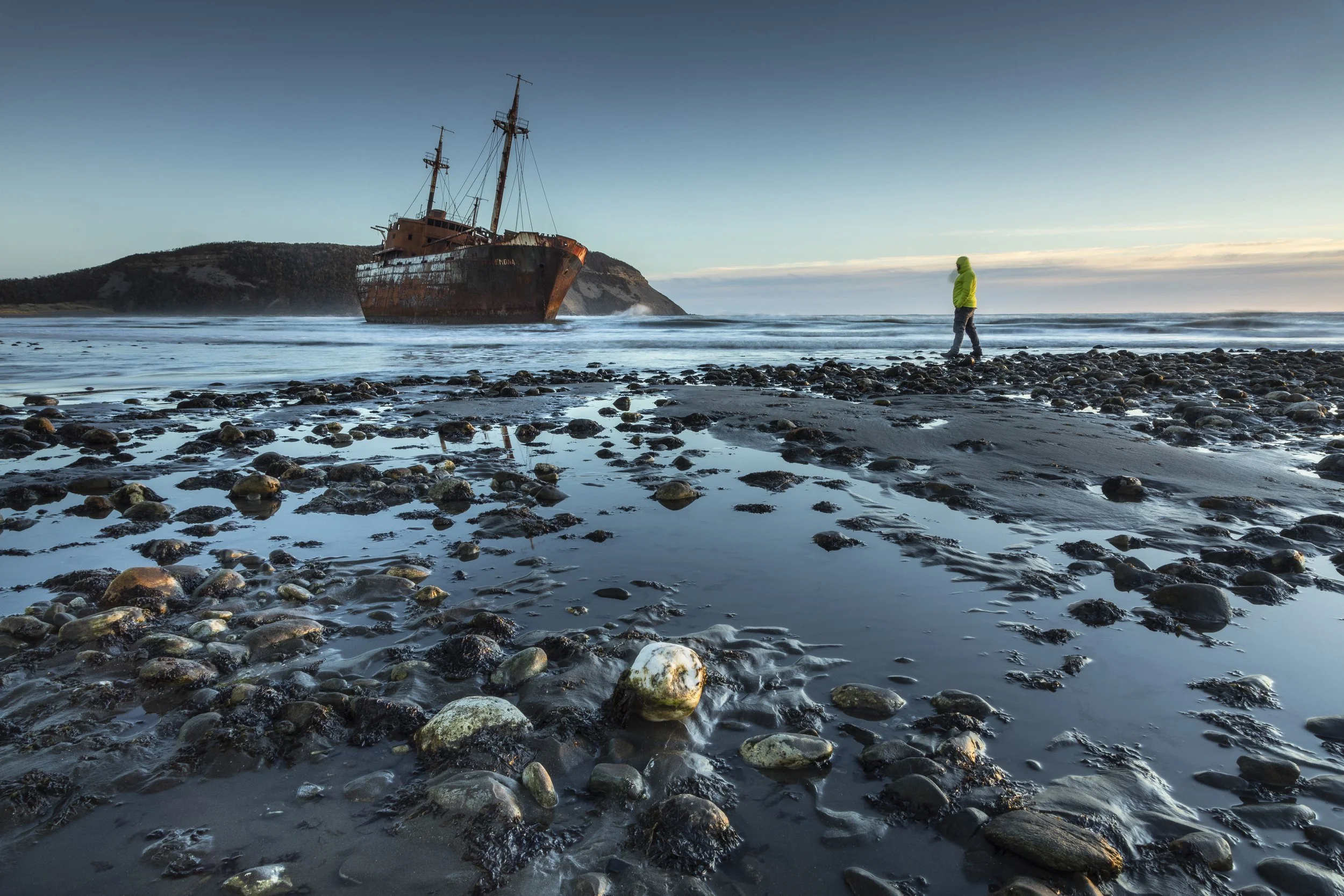
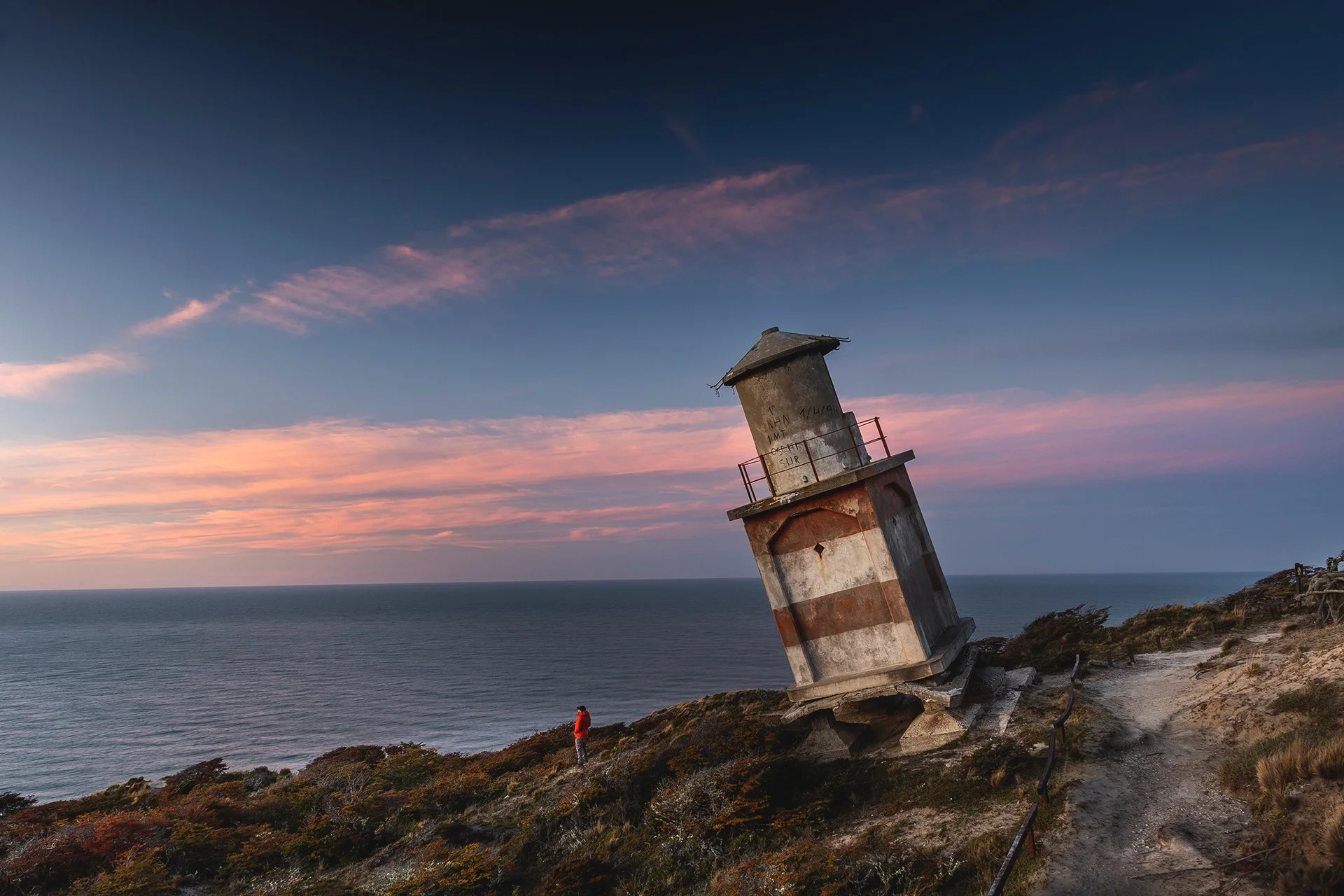
At the end of a long day, we reached the coast, where local fishermen had prepared a warm dinner and lit the stove — a treasure after so much travel. We set up our tents, waking at dawn to the silhouettes of a shipwreck near the cape and a lighthouse still standing against the forces of nature.
The Last_ Refugie
“An expedition beyond the map, into the last untouched edges of Patagonia.”